
Democracy and Global Catastrophic Risk
GCRI is publishing a series of articles discussing various aspects of democracy in terms of their relevance for global catastrophic risk. The collection has an emphasis on democracy in the United States, though some of the discussion may also be relevant to democracy in other countries.
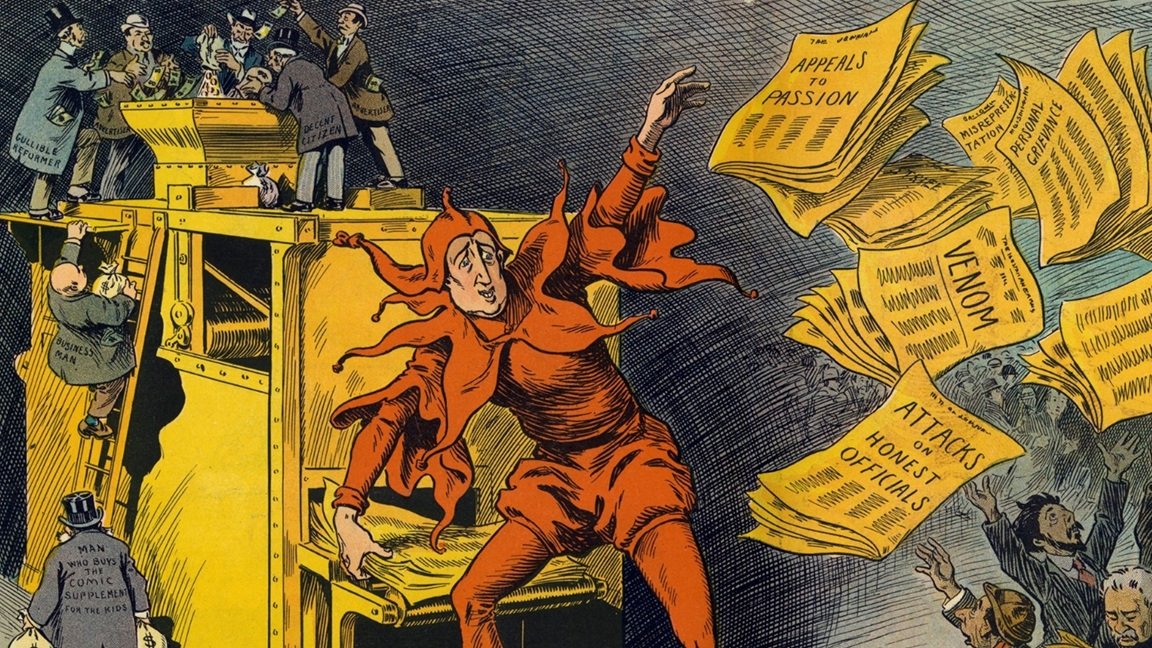
News Media and Global Catastrophic Risk
The character of news media substantially affects how societies understand and address global catastrophic risk. This GCRI commentary presents a history of the US news media and discusses implications for global catastrophic risk. It emphasizes the predominantly commercial, for-profit orientation of the US news media ecosystem.

The Paradox of Unwanted Democratic AI
AI initiatives often claim to be democratic, especially for competition against China. But what if the people do not want them? This paper, published in the journal AI & Society, proposes that democracy may demand that the initiatives end themselves. This applies especially to AI initiatives that pose catastrophic risks and substantially diminish democracy.
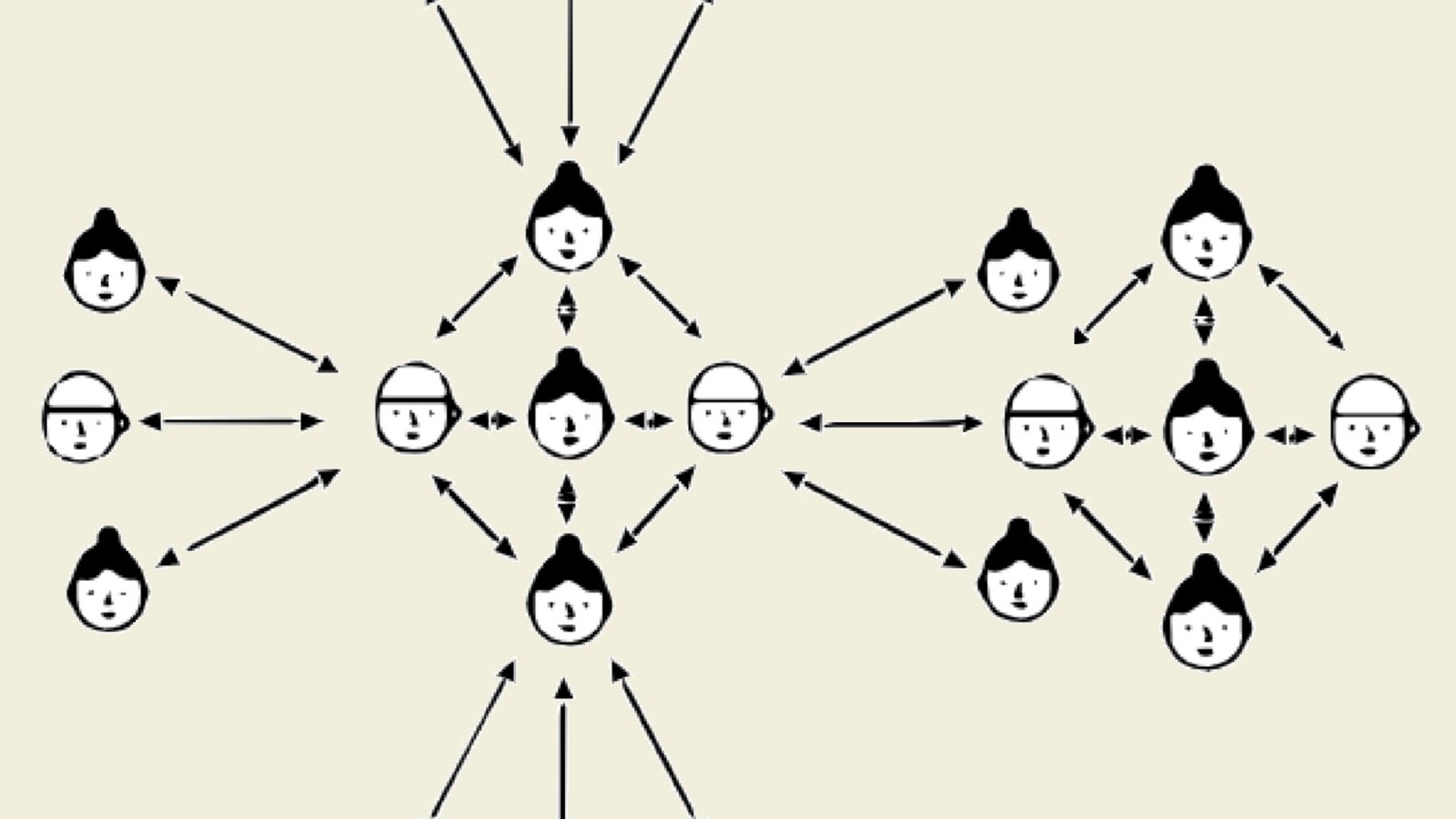
Political Organizing and Global Catastrophic Risk
Large-scale citizen advocacy can achieve major policy wins on global catastrophic risk. This GCRI commentary addresses the practical question of how go about achieving large-scale public advocacy. It discusses political sociology research on organizing vs. mobilizing and presents an example from the 1980s campaign to freeze nuclear weapons buildup.
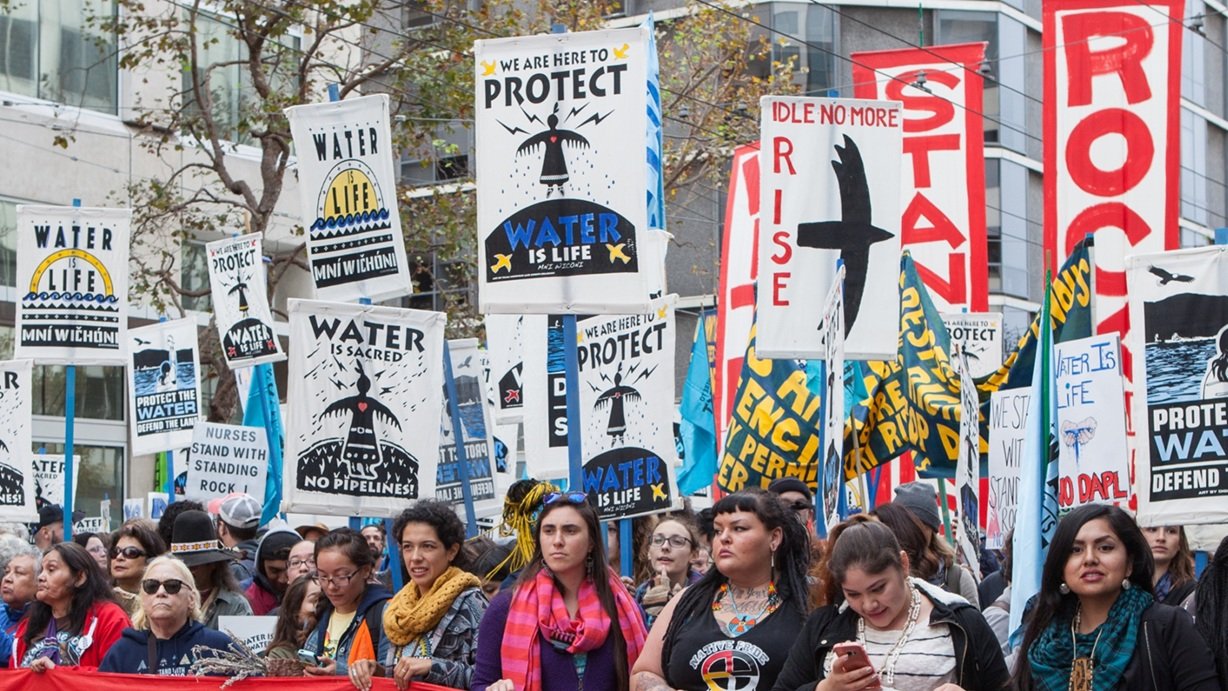
Evidence on Democratic Participation and Global Catastrophic Risk
Policy change can be pursued via advocacy by large groups of ordinary citizens. This GCRI commentary reviews the evidence, finding that public participation often leads to major policy change, including on nuclear war, climate change, and AI. Participation also brings other benefits and may compare favorably to advocacy by policy insiders.
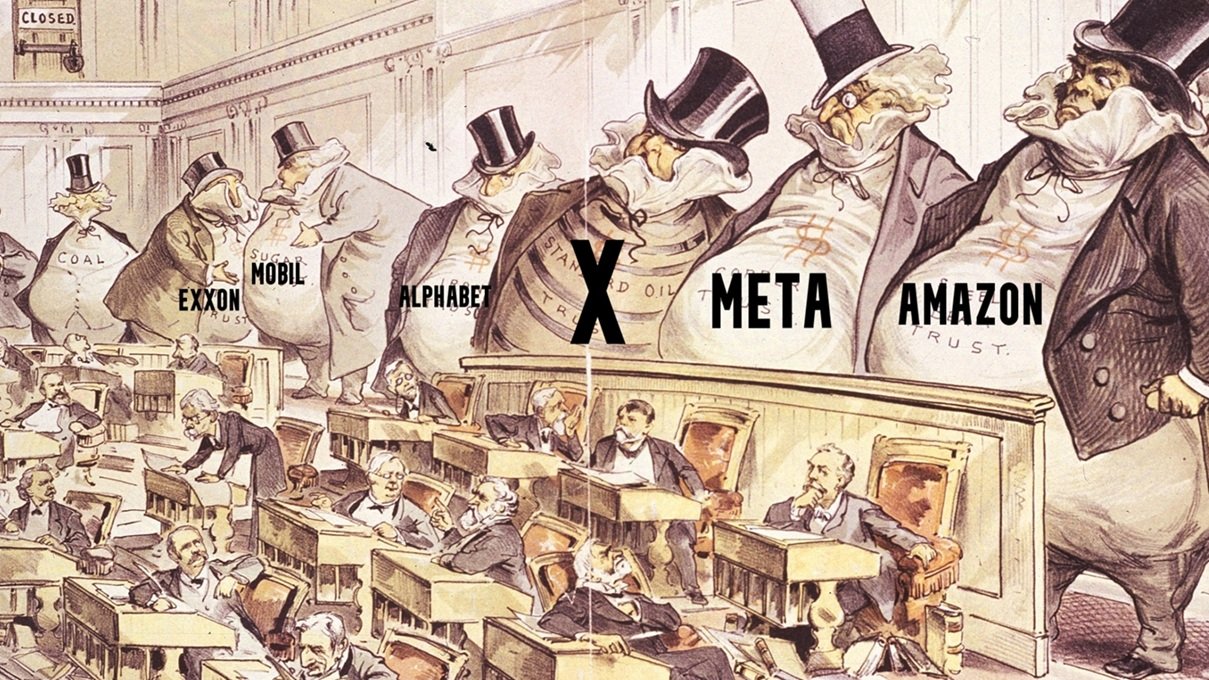
Political Corruption and Global Catastrophic Risk
Research and advocacy on global catastrophic risk may be irrelevant if good policy is blocked by corrupt politicians who have sold out to private interests, especially fossil fuel companies for climate policy and tech companies for AI policy. This GCRI commentary argues that corruption is indeed a major problem in the US, but with important limits.
Political Orders and Global Catastrophic Risk
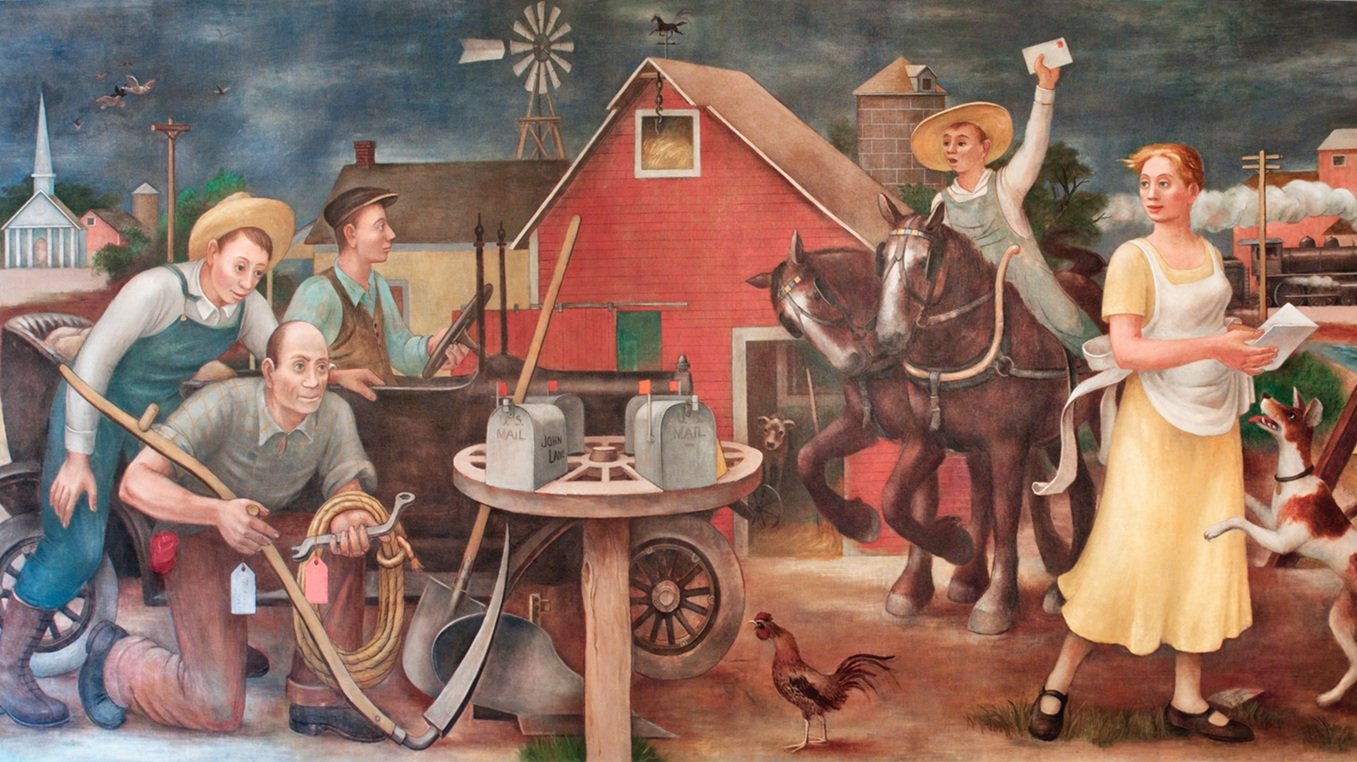
A political order is a period of time with one dominant ideology. This GCRI commentary presents the history of political orders in the US and discusses implications for global catastrophic risk. It covers the New Deal (1930s to 1970s) and neoliberalism (1980s to 2010s or 2020s) and proposes democratic welfarism as an ideology for a new political order.
The Importance of Statusquotastrophe—And Social Science Research
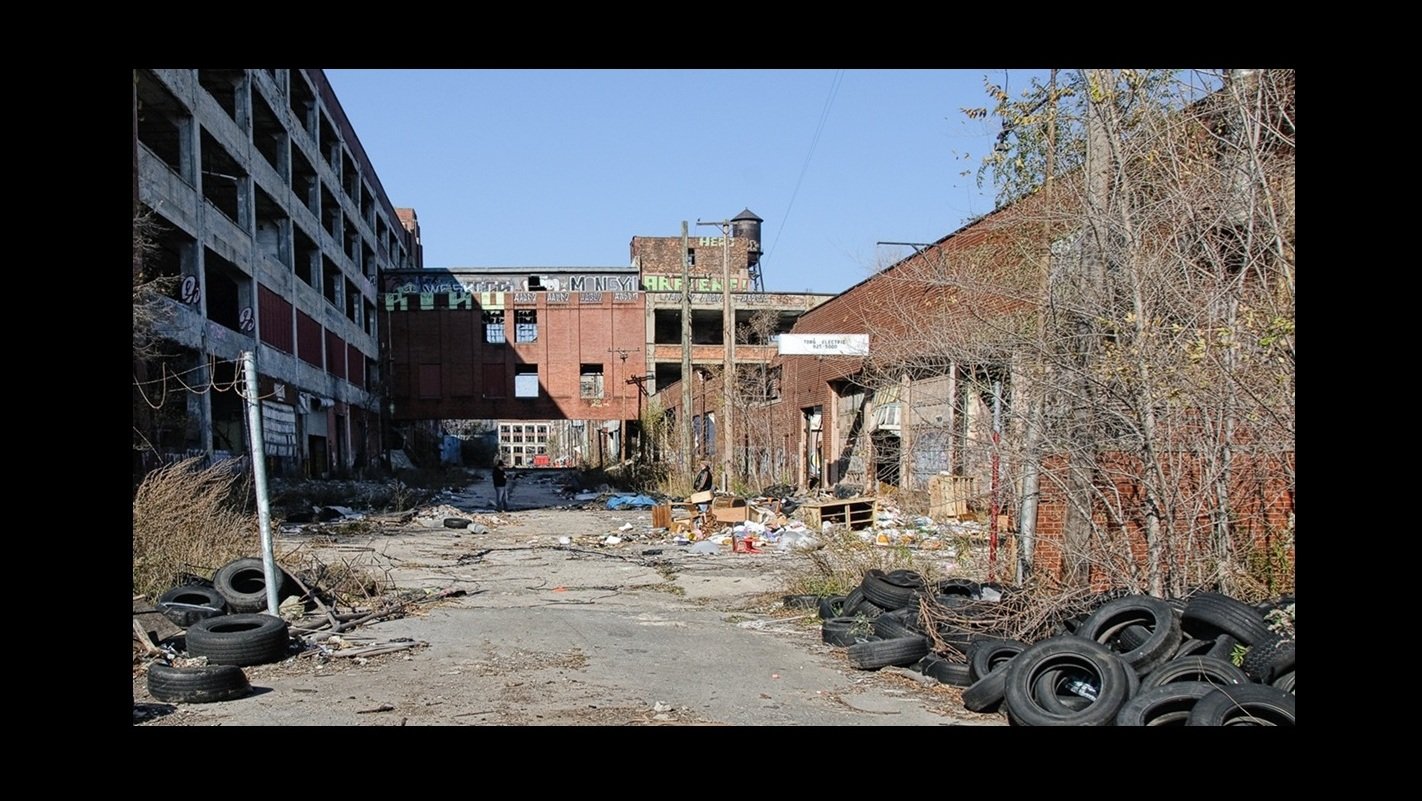
Recent research by Charlton and Marissa Yingling introduces the concept of statusquotastrophe, in which the status quo is perceived to be catastrophic. This GCRI commentary explains the importance of this concept and the social science research used to discover it. It suggests a major shift in how we think about catastrophic risk and contemporary society.

Statusquotastrophe: Interviews with US Public Reveal Dark Trend
Catastrophic risk is generally understood to be the risk of some extreme negative deviation from the status quo. This GCRI commentary presents original research finding that many members of the US public have a very different view: the status quo is itself catastrophic. The finding is based on interviews with people from across the US.
Government Procedure and Global Catastrophic Risk
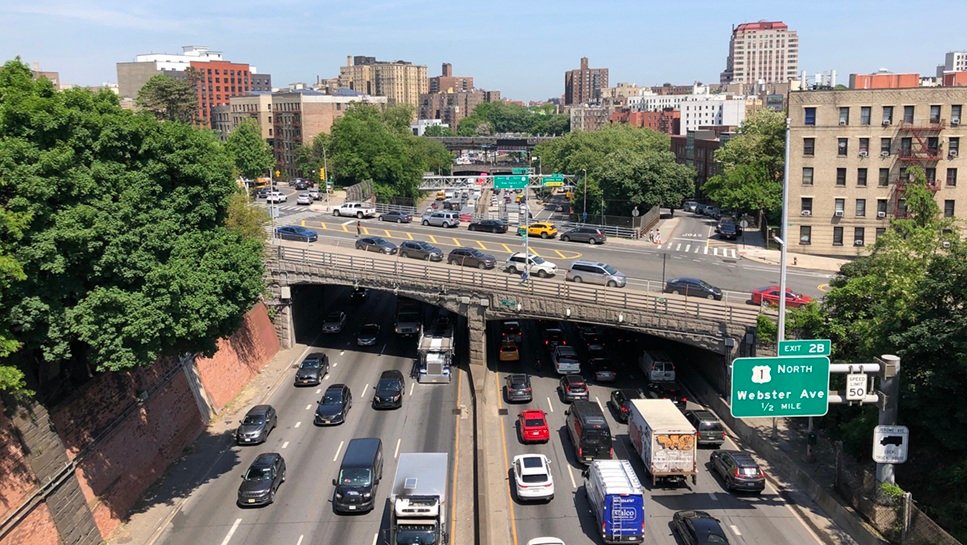
Global catastrophic risk is heavily affected by the procedures governments use to make decisions. This GCRI commentary calls for a nuanced understanding instead of one-size-fits all procedures. It discusses procedure changes across US history from the New Deal through the anti-establishment backlash to contemporary debates about abundance.
Democratic Participation and Global Catastrophic Risk
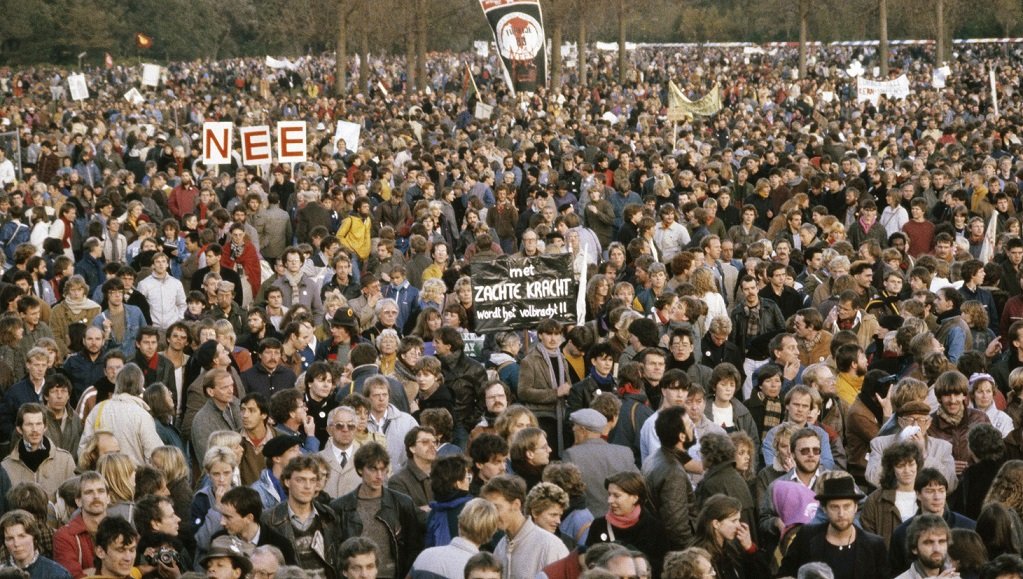
US policy advocacy today mostly consists of insider engagement with government officials, in contrast with the public mobilization of earlier eras. This GCRI commentary argues that public mobilization, though difficult, would be more democratic and enable larger policy wins. It proposes a policy agenda designed for broad public appeal.