See also the response article The importance of statusquotastrophe—and social science research by Seth Baum. Part of the GCRI Series on Democracy and Global Catastrophic Risk.
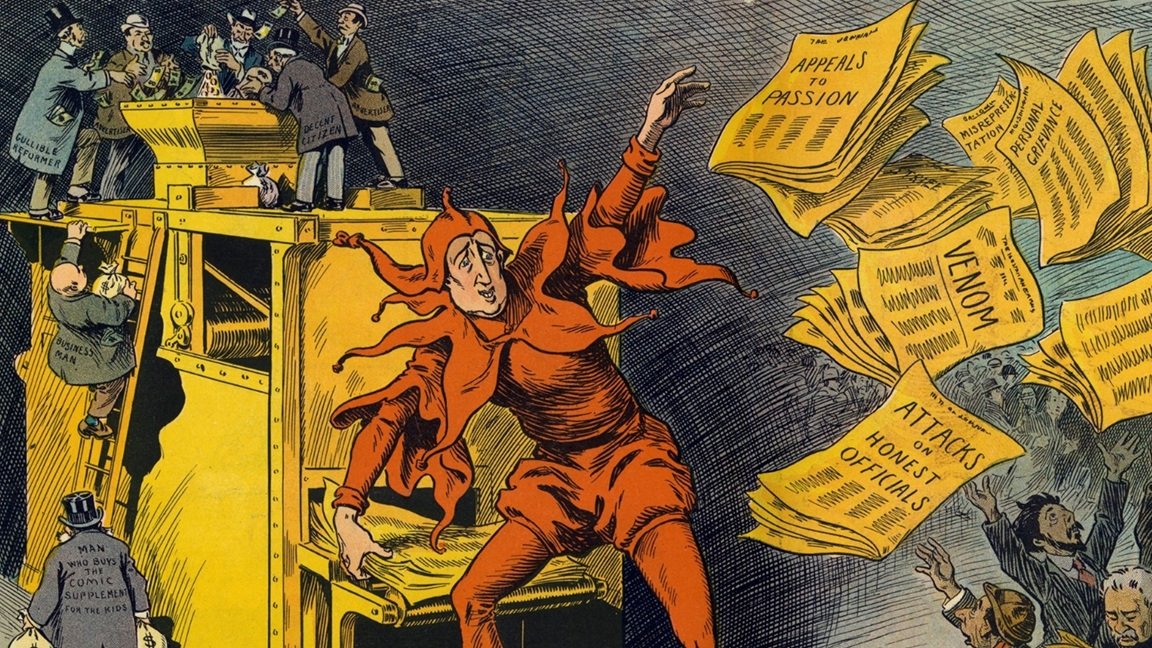
Catastrophic risk—whether local or global—is generally understood to be the risk of some extreme negative deviation from the status quo. But what if the status quo is extremely negative? To capture this conundrum, we have constructed the term statusquotastrophe, a catastrophic status quo.
This idea is a major theme that emerged as we conducted research interviews and surveys with people from across the United States. Whereas conversations about global catastrophic risk usually center expert analysis and opinion, we wanted to hear what the public thinks. This is both politically important—in a democracy, public opinion matters—and intellectually important—perhaps everyday people see things that the experts are missing. And so, between 2023 and 2025, we recruited a diverse sample of 100 people from all 50 US states and Washington, DC across age, occupation, income, race, religion, politics, gender, and more.
In our study, we asked questions such as: What are the most pressing challenges facing humans over the next century or millennia? What does the future look like in the next 100, 1,000, or 10,000 years? What is the ideal future, and how can we achieve it? And, what could cause society to collapse?
To answer these questions, we conducted semi-structured interviews. This means that we asked all participants the same set of pre-determined, open-ended questions, but when they offered answers, we explored their perspectives in greater depth using follow-up questions. This kept the conversation on-topic while giving us the chance to explore interviewees’ ideas that we could not predict.
The themes that emerged were surprising. On catastrophic risk and the future, all of our interviewees offered unique perspectives. We were expecting to hear many interesting perspectives on global catastrophic risk from them. And we did, including a strong sense that some major societal change is either impending or upon us, and doubt that humans will last much longer if current activities continue.
However, we did not expect so many of them to effectively say that, from their vantage point, nothing changing – meaning a continuance of the status quo – would be catastrophically risky. As many of our participants look around, with a general handwave they are telling us, “We cannot continue on like this anyway.” A related sentiment they expressed is that some major societal change is either impending or upon us. Notably, these perspectives were articulated by people from widely different backgrounds, including some people who were themselves quite affluent. It’s not just people in vulnerable positions of society who perceive a statusquotastrophe.
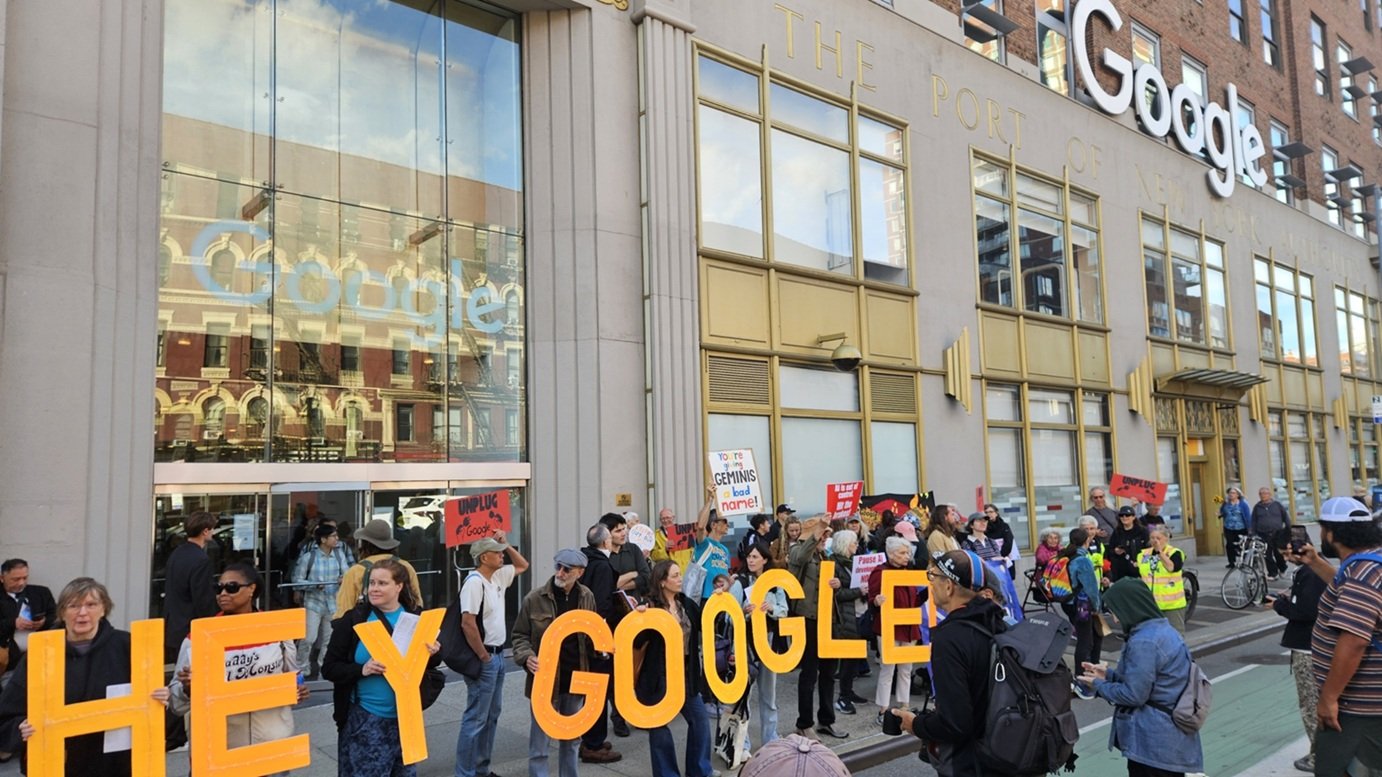
Our participants feel that the status quo is catastrophically risky for different reasons. Some are thinking of climate change and environmental risk, overconsumption of finite natural resources, and/or nuclear war. With these global catastrophic risks in mind, they often refer to a social backdrop incapable of handling them: one characterized by anger, divisiveness, apathy, plummeting institutional trust, and technological failings.
Ironically, as we attempt to democratize scholarship on catastrophic risk, democratic institutions decline. This raises the importance of recency bias, or the tendency for recent events to inform our anticipations more than events of the more distant past. As humans, scholars of risk are not exempt from this tendency. Perhaps a hyperfocus on probabilities of deviations from the norm and preparations to address them—pandemics, nuclear warfare, rogue AI—distracts us from a first order risk that unfolds before our eyes. This bias makes it more difficult to remember that societies have imploded without catastrophic events like biological warfare or a major asteroid impact. Though systems and technological settings surrounding us have changed, have humans themselves changed that much? Our research suggests that preparedness or progress on managing catastrophic risks may first require mitigating the statusquotastrophe.
Our finding of statusquotastrophe sentiment points to further research questions. First, to what extent is statusquotastrophe sentiment common across the country? We intend to pursue this in future research. We also do not know the extent to which this may be a uniquely American phenomenon, or if this sentiment may also be pervasive elsewhere.
Also, what would it take to alleviate this sentiment? We are still analyzing our research data. For now, we can offer some speculations based on our general awareness of the current state of affairs in the US. Public opinion surveys show broad dissatisfaction with the US government. Recent polls have found Congressional approval barely above 20%; concern about high-level political corruption at 60% to 80%; belief that democracy is under threat at over 70%; only 25% saying the country is headed in the right direction; 85% expressing doubt that elected officials care what people like them think; and 80% saying the US is in political crisis. These numbers include some partisan political divisions across the public, but the numbers are too extreme (high or low) to be fully explained by partisan disagreement. Additional factors may also be at play, such as concerns about wealth inequality, climate change, social media, and artificial intelligence.
One conclusion we can definitively reach at this time is the importance of speaking with ordinary citizens about global catastrophic risk. Because we asked the public, we now see previously underacknowledged themes that could be very important for global catastrophic risk. Creating sincere opportunities for scholars to listen and to learn from a broader public might just help our species avoid greater rupture.
Image credit: Bob Jagendorf