Part of the GCRI Symposium on World Peace.
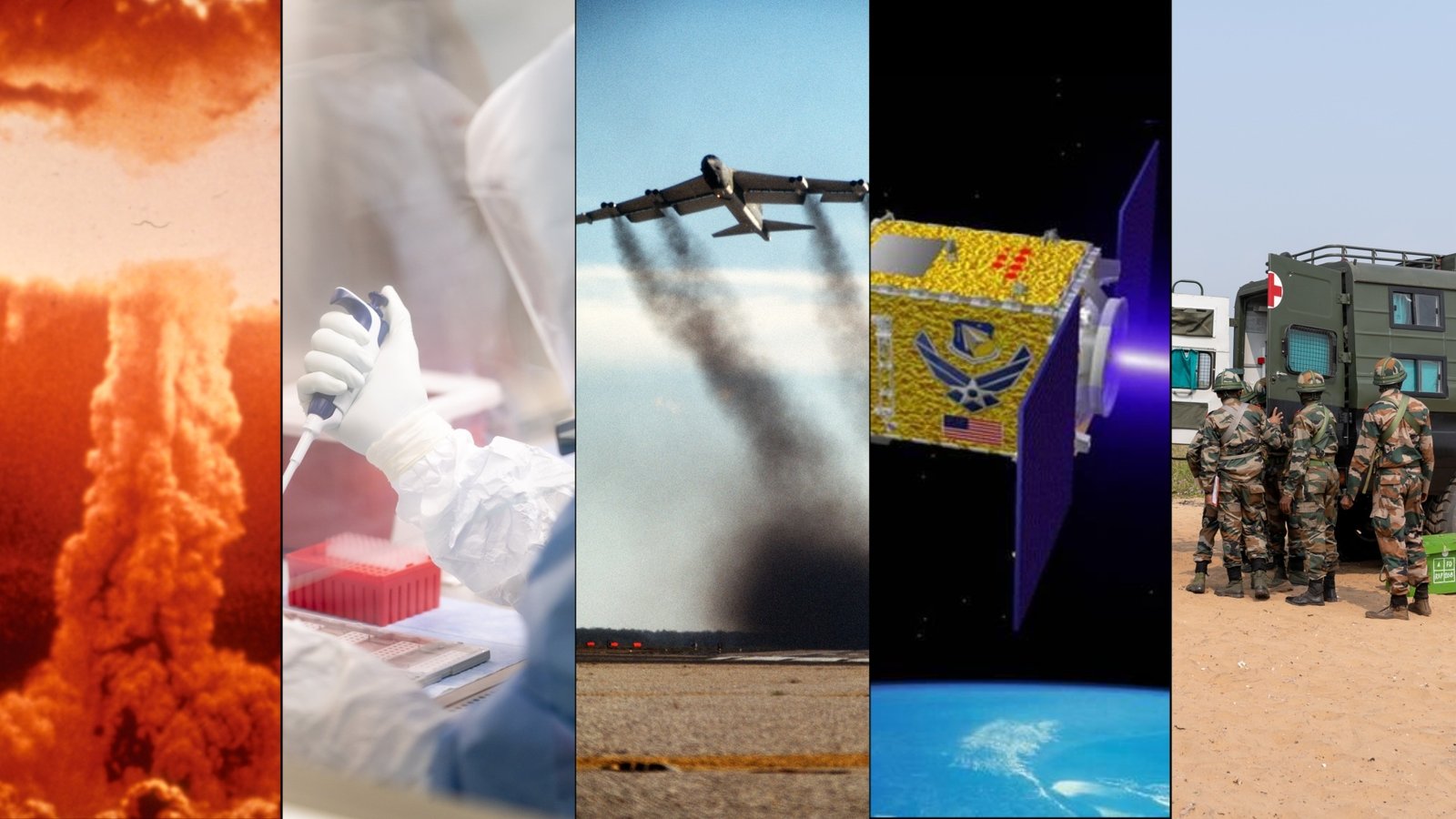
International conflict poses several catastrophic risks. One is of course thermonuclear war. Others include the development of souped-up biological weapons, the danger that states will weaponize superintelligent AI against their enemies, or that a race to deploy superintelligence first could lead humanity to lose control of it altogether. To manage the proliferation of dangerous technology requires cross-border cooperation, above all among the great powers. Yet arms control has stalled amid mounting conflict between Russia and the West, and both the United States and Russia seem less worried about the threat transformative AI could pose to humanity than about falling behind their rivals.
In the face of these global trends, it may seem that there is little that individuals can do. Yet an important way global catastrophic risk researchers might promote both peace and cooperation would be to establish stronger international networks with their counterparts in other countries. During the Cold War, unofficial contacts between the Soviet Union and the West both mitigated conflict and helped produce the revolution in foreign policy under Mikhail Gorbachev that finally brought the long struggle to an end. Similar exchanges might contribute to peace and cooperation today, if governments are receptive to outside advice.
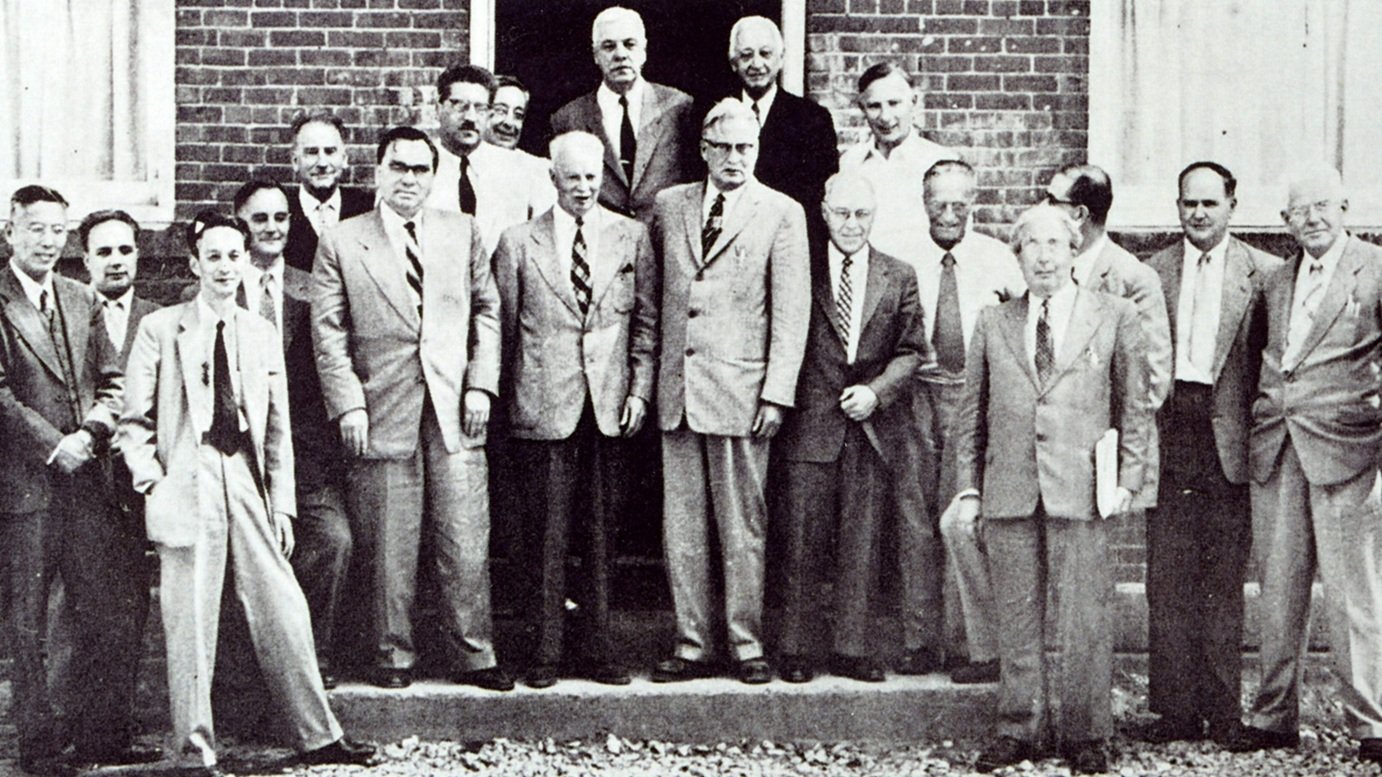
Nuclear weapons were the original anthropogenic global catastrophic risk. After Hiroshima, natural scientists and a few philosophers sought to bring the unique threat they posed to the world’s attention, much as with AI today. In 1957 Josef Rotblat and Bertrand Russell founded the Pugwash conferences between Soviet and Western scientists. Assessing their impact, Rani Martin concludes that the meetings helped Soviet scientists recognize the destabilizing nature of missile defense, but Martin is less confident that they were decisive in persuading Soviet leaders to accept the Antiballistic Missile Treaty of 1972. What is clear is that ideas transmitted through these contacts contributed to the dramatic re-think of Soviet policy once Mikhail Gorbachev took power. The former Soviet foreign minister Andrei Gromyko went so far as to complain that Gorbachev had merely repackaged the ideas of Einstein and Russell. Contacts with Western European peace researchers and social democratic politicians also acquainted Soviet IR scholars with new ideas such as minimum deterrence and defensive defense. These ideas percolated upward once the leadership became receptive to them.
These contacts mitigated the risk of nuclear war in at least three ways. First, they permitted an exchange of view on risks and how to reduce them. Soviet participants did not have to like or trust their Western counterparts to recognize the threat of nuclear winter or how missile defenses could be destabilizing. Second, the meetings also gave them greater insight into Western states’ motives, particularly that hostility to the USSR might arise not from greed but fear. Third, these contacts with the West eventually contributed to a change even in Soviet motives, with Gorbachev and his entourage accepting the priority of ‘universal human values’ over narrow national interests in the face of growing existential risk.
Unfortunately, the learning was largely one-way. Western participants do not seem to have derived comparable insights from contacts with Soviet scholars, at least about international relations. Moreover, even when Gorbachev and his advisors accepted the need for a radical reform of the international order to address existential risk, his Western counterparts did not. Soviet efforts to convince them were met with complacency and indifference. Believing that it had ‘won the cold war’, the West squandered the opportunity to build a truly new world order. At the same time, Russian ‘new thinking’ encountered growing opposition at home. The oligarchic Soviet system enabled Gorbachev to push through more drastic change than would have been possible in a democracy, but ultimately Russia’s democratization allowed his domestic critics to mobilize against him.
What if Western researchers were to engage their Chinese or Russian counterparts in similar discussions today? In Russia, only a few scholars appear to be framing their work explicitly in terms of catastrophic or existential risk. Many more are working on relevant problems, however, and some efforts at dialogue with the West in the area of nuclear risk reduction continue. Researchers on both sides could benefit from closer contact. The Institute of Psychology at the Russian Academy of Sciences, for example, has collected extensive survey data on attitudes toward catastrophic risk which their Western colleagues should tap. The benefits from dialogue with Chinese experts may be still greater. China and the United States are both the world’s largest emitters of greenhouse gases and its leading developers of advanced AI. While the Chinese nuclear arsenal remains smaller than America’s and Russia’s, it is expanding. Most Chinese do not appear to regard nuclear weapons or climate change as existential threats to humanity, but both well-connected scholars and political leaders themselves seem increasingly concerned about the catastrophic potential of frontier AI. There may be a policy window open to shape Beijing’s approach. Over and above the exchange of views and information on specific threats, unofficial contacts with China and Russia can help keep lines of communication open in a period of rising tension.
Certainly it would be naïve to expect quick results. The concentration of Kremlin decision-making in a tight and nationalistic circle offers little hope that insights gained by Russian scholars will make their way to the top. The Trump administration is likewise resistant to expert advice, particularly about threats to the long-term future. Yet as in the 1970s and early 1980s, expert dialogue could pave the way for new policies when the leadership in either country changes. Even if it does not translate into direct influence on policy, it could offer new information and insights for the participants, and support the development of catastrophic risk research in Russia and China. It is also highly tractable. True, contacts with Russia have been disrupted by Moscow’s war on Ukraine and Western states’ unwise decision to break off most forms of collaboration in response. Contacts between China and the United States have also been eroding. Still, this is something researchers can do themselves without first having to win over their governments.
At the height of the cold war, John Herz suggested that the conflict might someday be transcended if a ‘growing awareness of [ecological threats made] a new, genuinely universalist class out of those concerned with the future of the human race….ris[ing] above partial interests and consider[ing] those of mankind as a whole’. An international dialogue on what Herz called ‘survival research’ would be a step in that direction.
Image credit: Pugwash, showing the First Pugwash Conference, 1957, in Pugwash, Nova Scotia, Canada.